
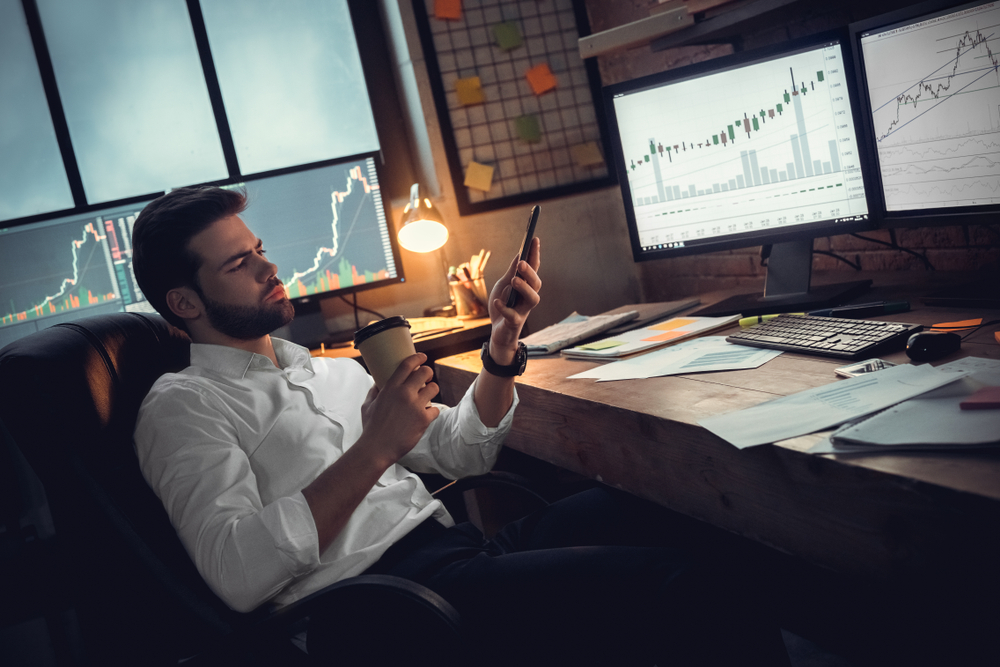
A pre-market routine prepares you for real opportunities
Before entering any trade, a trader should know what can move the market during the day. This includes important economic data, central bank speeches, company earnings, inflation reports, employment data, and major geopolitical news. For example, US inflation data and interest rate decisions can quickly affect stock indices, the US dollar, gold, and cryptocurrencies. A trader should also mark important price levels from previous sessions, such as the previous day’s high, previous day’s low, support, resistance, and key areas where the market reacted strongly. This preparation makes the trading day more focused. Instead of opening a chart and searching for random entries, the trader already knows which markets are worth watching, where a possible trade could happen, and which events may create extra volatility. It also helps to set clear limits before trading begins, including the maximum number of trades, maximum daily loss, and the amount of money that can be risked on one position.
A routine protects you from emotional trading
The market can move very fast, especially during news releases or at the opening of major stock exchanges. This speed often creates emotional pressure. Traders may feel that they are missing an opportunity, so they enter without confirmation. Others may see a quick loss and close a trade too early, even when their original plan was still valid. A pre-market routine reduces these reactions because the trader has already decided what conditions are needed before entering. For example, a trader can decide to buy only if price reaches a planned support level and shows a clear reaction. They can also decide not to trade during a major news release if volatility is too high for their strategy. This creates discipline. The trader does not need to make every decision in the moment when emotions are strongest. A routine also makes it easier to accept that some days do not offer good setups. Not trading is often better than forcing a trade with poor risk-to-reward.
A post-market routine turns every day into useful data
After the market closes, traders should review what happened during the session. This does not need to take hours. Even 15 to 30 minutes can be enough to record every trade, the entry price, stop loss, take profit, position size, reason for entry, and final result. The most important part is not only whether the trade made money. A profitable trade can still be a bad trade if it broke the rules, and a losing trade can still be a good trade if it followed the plan. Over time, a trading journal can show patterns that are difficult to notice during live trading. A trader may discover that they lose money after opening too many positions, that they perform poorly during high-impact news, or that they close winning trades too early. This information is valuable because it shows what needs to change. Without reviewing trades, many people repeat the same mistakes while believing that the market is the main problem.
Conclusion
A strong trading routine creates order before the market opens and learning after the market closes. The pre-market process helps traders understand the day’s risks, identify important levels, and prepare clear rules. The post-market process helps them measure performance and find repeated mistakes. Trading will always include uncertainty, losses, and unexpected price moves. However, a routine gives traders more control over the only part they can truly manage, which is their own decisions.
Trading in securities involves significant risk and may not be suitable for all investors. Prices of securities may fluctuate significantly and may result in a total loss of your investment. Investors should be aware that losses may exceed potential profits when buying and selling securities. In certain market conditions, you may sustain losses that exceed your initial investment. Securities and contracts for differences are complex financial instruments that require a high level of knowledge and understanding. You should carefully consider whether you understand how these instruments work and whether you can afford to take the high risk of losing your money.
.png)