
When Yields Stop Doing the Job
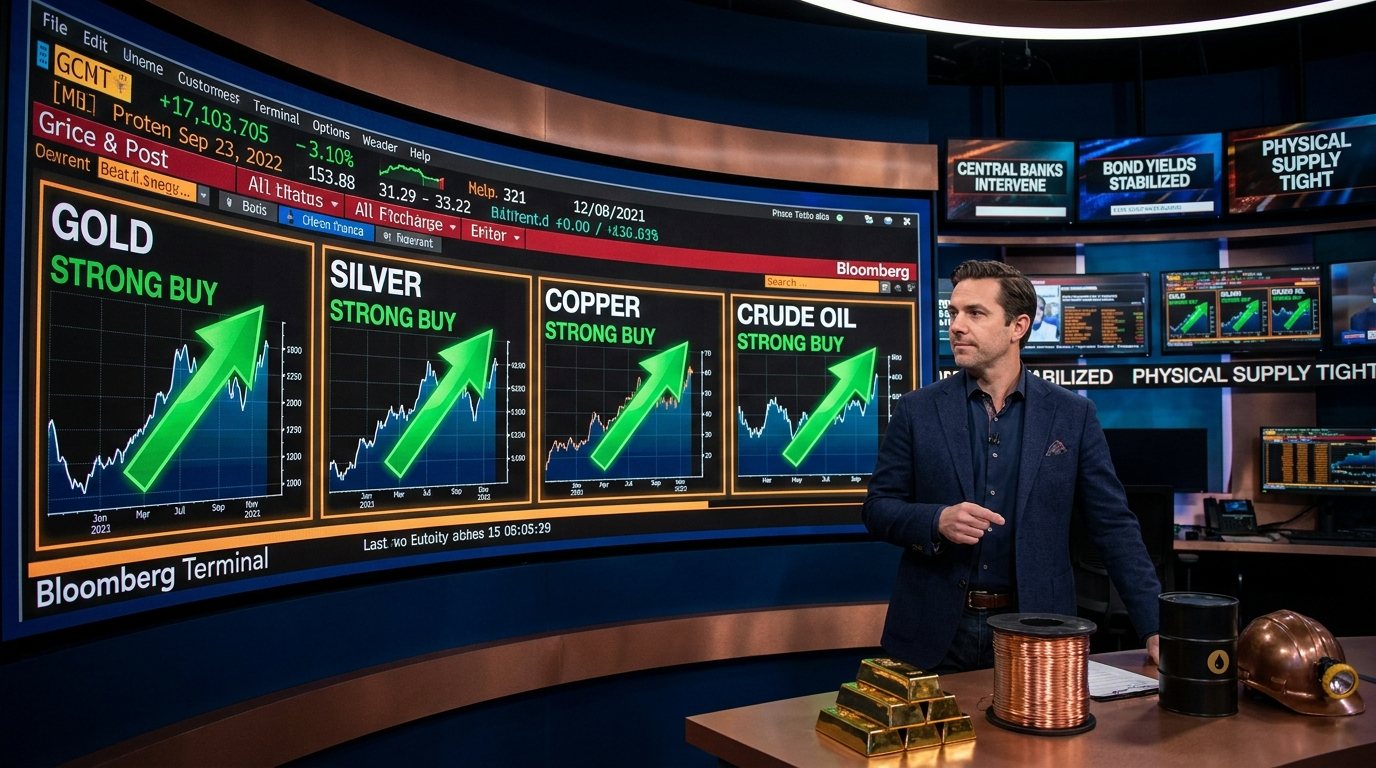
Normally, rising commodity prices push inflation higher, forcing yields up and eventually cooling demand. Currie argues that this mechanism is now being weakened by government intervention.
The U.S. Treasury’s decision to double its long-term bond buyback operations after the 30-year yield reached 5.32% is a key example. In Currie’s view, policymakers are increasingly preventing bond markets from fully adjusting to heavy debt supply.
That creates an unusual combination: financial assets face artificially suppressed yields while physical commodities continue to face supply shortages.
The Hidden Inflation Signal
Currie believes investors are paying too much attention to crude oil and not enough to refined fuels. Diesel crack spreads recently climbed above $100 a barrel, reaching $102.20, which is far above their normal range.
He estimates the global refining industry faces a capacity shortfall of around 5 million barrels per day, driven by geopolitical disruptions and years of insufficient investment.
The consequences extend far beyond energy. Diesel is essential to transportation, agriculture and industrial production, meaning higher fuel costs can quickly spread through the broader economy.
Supply Chains Face Multiple Pressure Points
Energy is only part of the problem. Disruptions around the Strait of Hormuz and Red Sea, historically low Rhine River levels and Panama Canal restrictions are adding friction to global trade.
Agricultural markets are also vulnerable. The USDA has reduced its corn production forecast, while NOAA estimates an 81% probability of a strong El Niño, a natural disaster, by year-end. Currie argues that weather risks combined with logistical bottlenecks could create another wave of food inflation.
Why Gold and Silver Could Benefit
The market reaction has already been notable. After the Treasury’s buyback announcement, gold briefly surged 4% to $4,510, while silver gained nearly 5%. The Quantix Commodity Index also reached a record high.
Currie says he has increased his long positions in gold, silver and agricultural commodities.
His broader message is that if policymakers suppress the bond market’s ability to restrain inflation, physical scarcity could become an increasingly important driver of asset prices. In that environment, commodities may serve not only as an inflation hedge, but also as a hedge against currency debasement.
Source: https://site.twstalker.com/CommodMkt/status/2090414609526100312
This marketing material is provided for informational purposes only and does not constitute investment advice, a recommendation, or an offer or solicitation to buy or sell any financial instruments.
Trading in securities involves significant risk and may not be suitable for all investors. Prices of securities may fluctuate significantly and may result in a total loss of your investment. Investors should be aware that losses may exceed potential profits when buying and selling securities. In certain market conditions, you may sustain losses that exceed your initial investment. Securities and contracts for differences are complex financial instruments that require a high level of knowledge and understanding. You should carefully consider whether you understand how these instruments work and whether you can afford to take the high risk of losing your money.
.png)