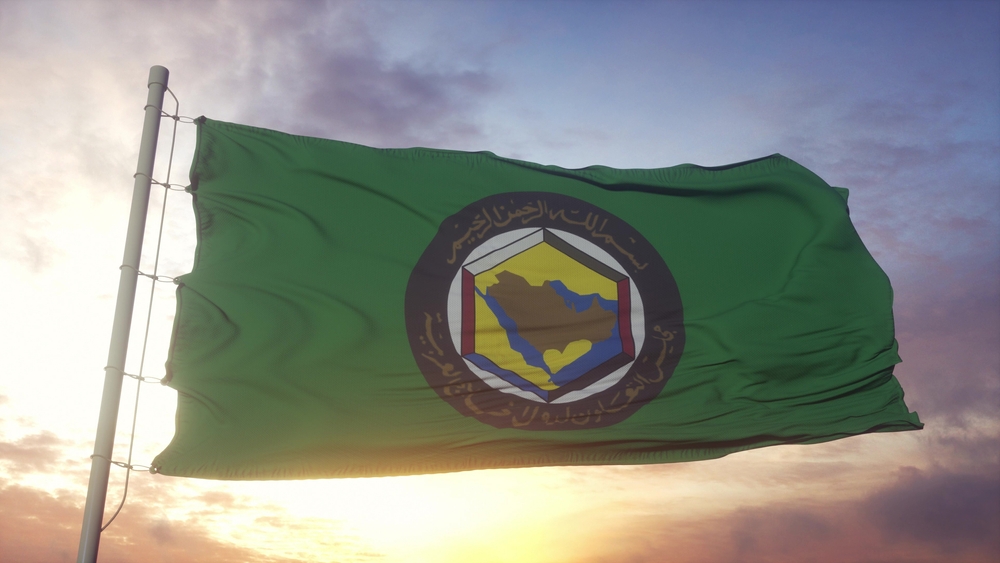
The GCC is a political and economic union of six Arab states on the Persian Gulf: Bahrain, Kuwait, Oman, Qatar, Saudi Arabia, and the United Arab Emirates. Founded in 1981, it pursues economic integration, collective security and common rules for trade, tourism and legislation, and its Gulf Common Market allows citizens to live and work freely across all six countries.
Since the war began at the end of February, shipping through the Strait of Hormuz has almost stopped, and talks between Washington and Tehran on reopening the strait remain deadlocked. Before the war, about 20 million barrels of oil a day passed through the strait, around 80% of it bound for Asia. China and India alone took 44% of the crude. Almost 90% of the liquefied natural gas (LNG) shipped through Hormuz went to Asian buyers, covering about 27% of Asia's total LNG imports.
Qatar hit the hardest
The damage is spread unevenly across the region. According to the World Bank, Qatar's economy will contract by 20.9% this year and Kuwait's by 14.6%, as both countries depend almost entirely on exports through the strait. Bahrain is expected to shrink by 2.9%, Saudi Arabia by 2.0% and the UAE by 1.6%. Oman, whose ports lie outside the strait, is the only member expected to grow, by 3.1%.
Official statistics confirm the shock. Saudi Arabia's GDP fell by 4.8% year on year in the second quarter, as oil activities dropped by 24.7%, while the non-oil economy still grew by 0.6%. The Saudi Ministry of Finance now expects the economy to contract by 3.6% for the full year. Exports have partly recovered thanks to pipelines that bypass Hormuz: crude shipments from the region reached 16.3 million barrels a day in September, the highest since the war began but still 3.2 million below February's level.
Qatar, one of the world's largest LNG exporters, has been hit hardest. After strikes on the Ras Laffan complex in March, the country exported only 18 LNG cargoes in the first six months of the war, compared with 509 in the same period a year earlier. About 17% of export capacity is estimated to be damaged, and some facilities may take years to restore. QatarEnergy has again extended the suspension of deliveries due to unforeseeable circumstances (force majeure): buyers in Pakistan and Bangladesh have been told it will last through November, and at least one Indian buyer is affected. LNG prices in Asia are near their highest since late 2022, just ahead of the northern winter. Brent crude closed at USD 104.72 a barrel on 9 October.
Signs of recovery but not security
Outside the energy sector, there are signs of recovery. The UAE's purchasing managers' index (PMI) for the non-oil private sector held at 55.3 in September, a 20-month high, with export orders growing at the fastest pace since November 2024. However, firms raised their selling prices at the fastest rate since 2011. Dubai welcomed 869,000 international overnight visitors in August, its strongest month since the war began, and hotel occupancy rose to 66% from a March average of 36%. By mid-June, flights at Gulf hubs had returned to about 90% of normal levels, which matters for Asian travellers: before the war, Emirates, Etihad and Qatar Airways carried almost a third of passengers between Asia and Europe.
Public finances are under growing pressure. Saudi Arabia expects a 2026 budget deficit of SAR 245 billion, against the SAR 165 billion originally planned, and will cover a further deficit in 2027 by borrowing. The World Bank estimates Saudi public debt will rise to 34.4% of GDP this year, from 31.8% in 2025, while Qatar is expected to post a deficit of 7.1% of GDP. Even so, Gulf sovereign wealth funds have kept investing abroad: Middle Eastern state investors deployed USD 102 billion in the first nine months of 2026, below recent years, with China and Hong Kong receiving 10% and Singapore 3% of the total.
The World Bank expects a strong rebound in 2027, with GCC growth of 10.3%, led by Qatar (26.7%) and Kuwait (22%), and with the UAE and Saudi Arabia growing by 9.5% and 7.9% respectively. However, the forecast assumes that the conflict subsides by the end of 2026 and that oil and gas shipments return to normal from early 2027; the World Bank itself describes it as a conditional recovery rather than a guaranteed boom.
According to Octrado, the risks remain firmly tilted to the downside. With negotiations stalled, the timetable for reopening the strait is uncertain, and every additional month delays the restart of Qatari LNG and the normalisation of oil flows. For Asian economies, the crisis is a reminder of how heavily they depend on a single shipping route. Even after the war ends, higher risk premiums for business in the Gulf are likely to persist, and importers in Asia can be expected to continue diversifying their energy supplies. The Gulf's reputation as a safe haven will take time to rebuild.
About Octrado
Octrado is a dynamic investment company built on transparency, innovation, and professional trader support. Rather than developing our own proprietary platform, we rely on the globally trusted MetaTrader 5 (MT5) environment, allowing our clients to trade on a stable, proven, and technologically advanced system recognized worldwide.
Octrado LTD. is a limited liability company regulated as a Securities Dealer by the Seychelles Financial Services Authority of Seychelles (“FSA”) with license number SD013 and with company number 8417634-1 to carry out certain categories of financial investment business as permitted under the Seychelles Securities Act 2007.
Contact
+44 20 4578 9302
For more information see https://octrado.com/en/trading
Risk Warning - This marketing material is provided for informational purposes only and does not constitute investment advice, a recommendation, or an offer or solicitation to buy or sell any financial instruments.
Trading in securities involves significant risk and may not be suitable for all investors. Prices of securities may fluctuate significantly and may result in a total loss of your investment. Investors should be aware that losses may exceed potential profits when buying and selling securities. In certain market conditions, you may sustain losses that exceed your initial investment. Securities and contracts for differences are complex financial instruments that require a high level of knowledge and understanding. You should carefully consider whether you understand how these instruments work and whether you can afford to take the high risk of losing your money.