
Positive Geopolitical Developments
The positive geopolitical movement began after US President Donald Trump announced a pause on Project Freedom, the US operation to guide vessels through the Strait of Hormuz. Positive risk sentiment increased following reports that the United States and Iran are close to reaching an agreement to end the conflict.
According to Axios, the US and Iran are reportedly close to signing a one-page memorandum aimed at ending the war and restarting detailed nuclear negotiations. The US anticipates receiving a response from Iran on several major concerns within the next 48 hours. Although Trump has called recent proposals unsatisfactory and negotiations remain at an impasse, the recent reports signal progress toward a possible framework agreement.
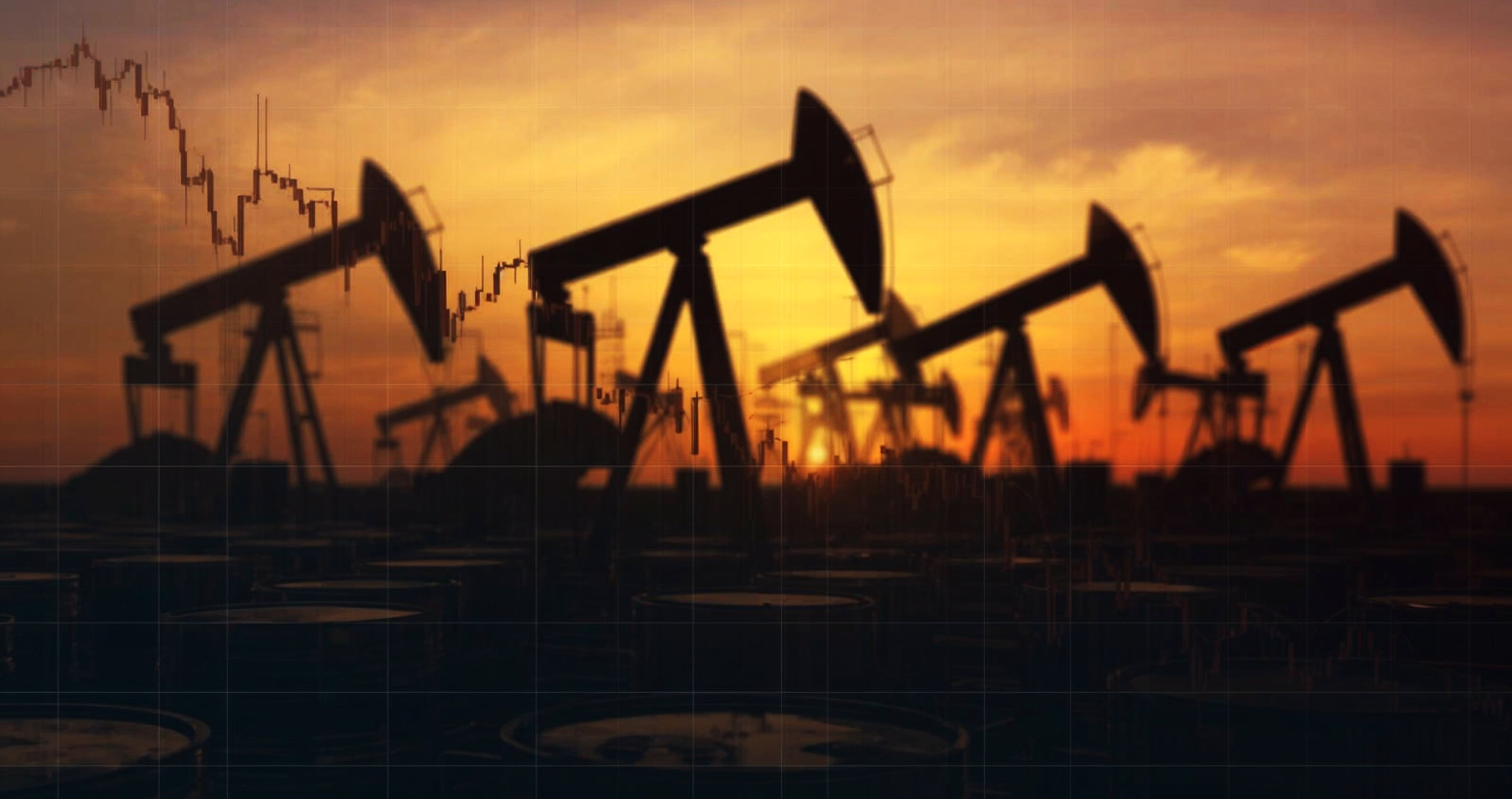
Oil tumbles on optimism over US-Iran Deal
Crude oil prices slumped in anticipation of reduced US-Iran tensions. The lowering of tensions enhanced the chance of increasing global crude supply and alleviated fears of extended disruption in the Strait of Hormuz, as the world economy grapples with a serious energy crisis caused by oil supplies from the Gulf region being essentially halted since the beginning of the war. The Middle East conflict and the effective closing of the Strait of Hormuz have disturbed global commodity markets, causing oil prices to rise dramatically this year. The Strait of Hormuz is a major conduit for much of the world's oil, so any disruption there has sparked concerns about prolonged inflation and economic distress.
On the other hand, on Sunday, the Organization of Petroleum Exporting Countries and its partners (OPEC+) decided to undertake a production adjustment of 188,000 barrels per day in June. The seven OPEC+ members reiterated that they would continue to monitor conditions and adjust output as needed.
Moving forward, volatility is projected to stay elevated for the remainder of the week. Based on a list of major economic data, new round discussions between the United States and Iran, as well as the EIA crude inventory report, are expected to dominate this week.
This marketing material is provided for informational purposes only and does not constitute investment advice, a recommendation, or an offer or solicitation to buy or sell any financial instruments.
Trading in securities involves significant risk and may not be suitable for all investors. Prices of securities may fluctuate significantly and may result in a total loss of your investment. Investors should be aware that losses may exceed potential profits when buying and selling securities. In certain market conditions, you may sustain losses that exceed your initial investment. Securities and contracts for differences are complex financial instruments that require a high level of knowledge and understanding. You should carefully consider whether you understand how these instruments work and whether you can afford to take the high risk of losing your money.

.png)