
.jpg)
“Some participants judged that there was a strong case for a two-sided description of the committee’s future interest-rate decisions in the post-meeting statement, reflecting the possibility that upward adjustments to the target range for the federal funds rate could be appropriate if inflation were to remain at above-target levels,” the minutes said.
At the same time, many officials were concerned that a prolonged conflict could weaken labor market conditions, potentially necessitating further rate cuts.
Inflation Back in the Spotlight
The February PCE report showed inflation remained elevated, leading the Fed to keep interest rates unchanged. Following this mixed inflation data, global traders are closely awaiting Friday’s Consumer Price Index (CPI) release, which could significantly influence the Fed’s interest rate decision later this month. After the release of Fed minutes and PCE data, Fed funds pricing shows a 98% chance of a pause this month.
Understanding the CPI
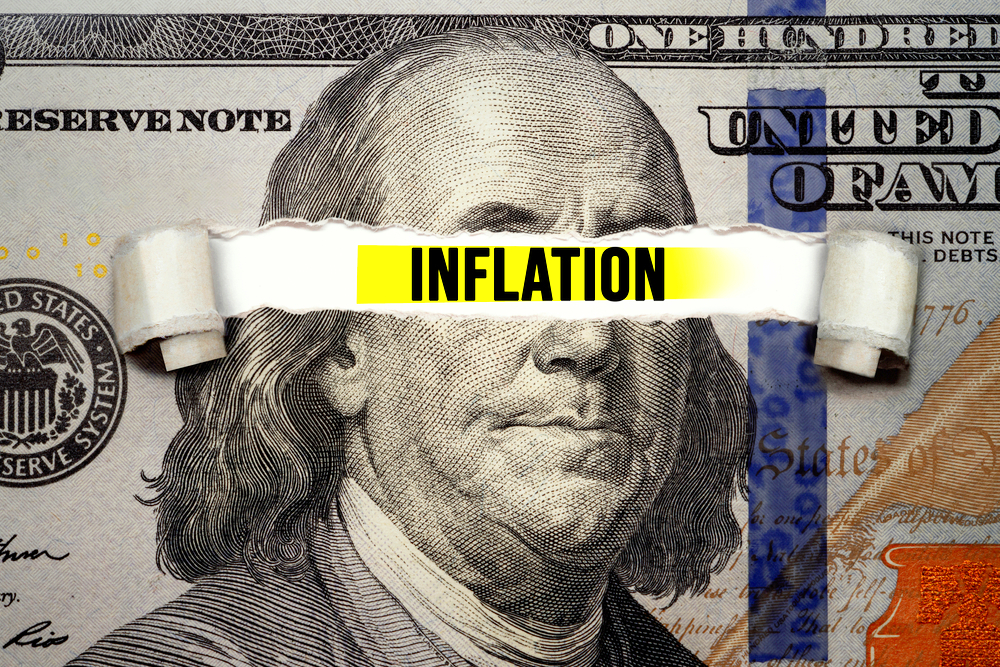
The CPI tracks the cost of goods and services and is a key indicator for inflation trends. The headline CPI is expected to rise to 3.4% year-over-year, up from 2.4%, with a monthly increase forecasted at 0.1%. A higher-than-expected CPI could increase market volatility and hint at inflation or policy adjustments, while a lower figure would likely boost markets and weaken the dollar.
In Summary
According to the latest Fed minutes, the central bank remains in a holding pattern, neither ruling out easing nor tightening measures. Market expectations now focus on June or later for potential policy shifts, aligning with upcoming leadership changes at the Fed. Attention is now on this Friday’s US CPI report, which will be the first major test to determine whether the recent surge in oil prices has influenced broader inflation or if its impact remains limited to energy costs.
This marketing material is provided for informational purposes only and does not constitute investment advice, a recommendation, or an offer or solicitation to buy or sell any financial instruments.
Trading in securities involves significant risk and may not be suitable for all investors. Prices of securities may fluctuate significantly and may result in a total loss of your investment. Investors should be aware that losses may exceed potential profits when buying and selling securities. In certain market conditions, you may sustain losses that exceed your initial investment. Securities and contracts for differences are complex financial instruments that require a high level of knowledge and understanding. You should carefully consider whether you understand how these instruments work and whether you can afford to take the high risk of losing your money.

.png)